

Consulenza sul prodotto
Il tuo indirizzo email non verrà pubblicato. I campi obbligatori sono contrassegnati *

Proveniente dalla Cina, marketing nel mondo.
Anhui Yanhe has officially introduced a groundbreaking composite material designed to address the complex demands of modern industrial and commercial insulation. The newly launched HAF+TFT+GF Aluminum Foil Fiberglass Felt represents a significant leap forward in multi-functional building materials. As energy efficiency regulations become stricter and noise pollution in urban and industrial environments continues to rise, the need for materials that can simultaneously manage thermal transfer and acoustic transmission has never been more critical. This advanced composite integrates high-grade aluminum foil, specialized thermal treatments, and dense glass fiber matrices to create a unified solution that outperforms traditional single-purpose insulation products. By combining these elements, Anhui Yanhe has engineered a product that not only reflects radiant heat but also absorbs airborne sound, making it an indispensable component for contemporary construction, HVAC systems, and manufacturing facilities.
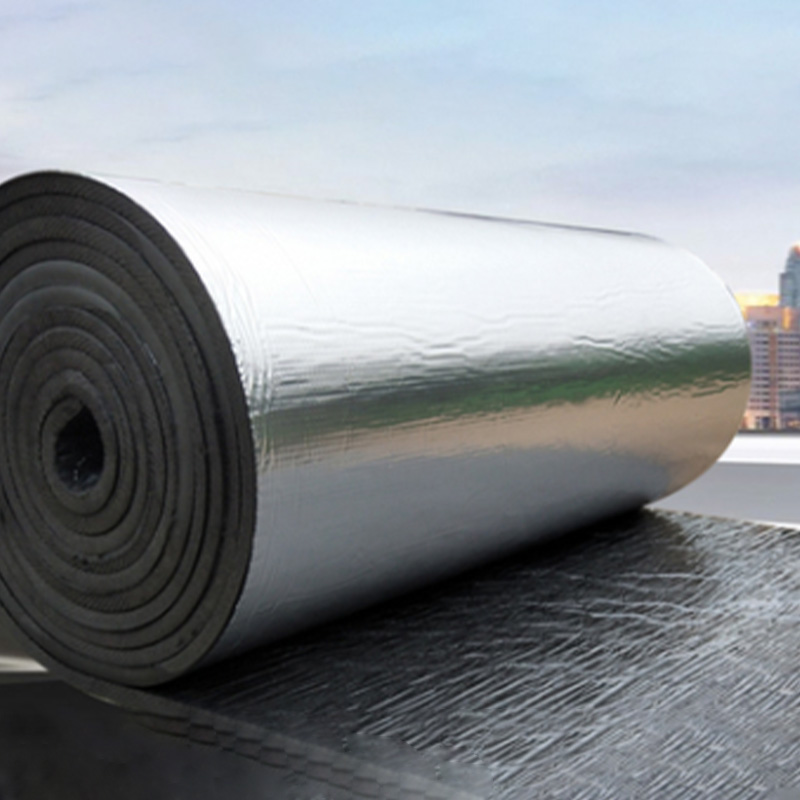
The exceptional performance of the HAF+TFT+GF Aluminum Foil Fiberglass Felt is rooted in its meticulously engineered multi-layer architecture. The acronym itself defines the core components that work in synergy to deliver superior physical properties. The HAF layer consists of High-grade Aluminum Foil, which serves as the primary radiant barrier. This layer is engineered to possess extremely low emissivity, meaning it reflects up to 97 percent of radiant heat rather than absorbing it. Beneath the foil lies the TFT layer, which stands for Thermal Flame Treatment. This specialized intermediary layer is designed to enhance the fire resistance of the composite and provide a robust adhesive bond between the metallic foil and the fibrous core, ensuring the layers do not delaminate under extreme thermal cycling or mechanical stress.
The foundational bulk of the material is provided by the GF layer, or Glass Fiber felt. Unlike standard fiberglass batts, the GF layer in this composite is manufactured using a high-density, randomly oriented fiber matrix. This specific structural arrangement is crucial for its acoustic capabilities, as it creates a tortuous path for sound waves, effectively dissipating their energy as microscopic heat through friction. The combination of the reflective HAF layer and the absorptive GF layer creates a dual-action mechanism. While the aluminum foil stops radiant heat from penetrating the structure, the dense fiberglass felt prevents conductive heat transfer and simultaneously traps and neutralizes acoustic vibrations, resulting in a comprehensive environmental control solution.
In industrial and commercial settings, thermal management is directly linked to operational costs and energy consumption. The HAF+TFT+GF Aluminum Foil Fiberglass Felt excels in this domain by addressing all three modes of heat transfer: radiation, conduction, and convection. The High-grade Aluminum Foil surface is highly effective at blocking radiant heat, which is the primary mode of heat transfer in large, open spaces like warehouses and metal buildings. By reflecting the sun's radiant energy during the summer and retaining internal heat during the winter, the material significantly reduces the load on HVAC systems. This reflective capability is particularly valuable in hot climates, where it can lower roof surface temperatures by dozens of degrees, thereby extending the lifespan of the roofing membrane and reducing cooling costs.
Furthermore, the Thermal Flame Treatment (TFT) layer ensures that the material maintains its structural integrity and insulating properties even when exposed to high temperatures. Unlike some polymer-based foams that degrade or off-gas when heated, the inorganic nature of the fiberglass and aluminum ensures that the thermal resistance remains stable over decades of use. The low thermal conductivity of the dense GF felt layer minimizes conductive heat loss through the building envelope. When installed correctly with sealed seams, the composite also acts as an effective vapor barrier, preventing moisture-laden air from condensing within the wall cavity, which can otherwise lead to mold growth and a severe reduction in the R-value of the overall insulation system.
Beyond thermal control, the acoustic properties of the HAF+TFT+GF Aluminum Foil Fiberglass Felt make it a superior choice for environments where noise mitigation is a priority. Sound travels in waves, and when these waves strike a hard, reflective surface like standard metal decking or concrete, they bounce back into the room, creating reverberation and echo. The dense, porous structure of the GF felt layer acts as a sound absorber. As acoustic waves enter the fibrous matrix, the air molecules within the pores are forced to vibrate. The friction between the air molecules and the glass fibers converts the acoustic energy into negligible amounts of thermal energy, effectively dampening the sound.
This material is particularly effective at absorbing mid-to-high frequency noises, which are the most common and annoying frequencies in industrial settings, such as the hum of machinery, the clatter of equipment, and general ambient workplace noise. By installing the composite on walls, ceilings, or directly wrapping it around noisy equipment enclosures, facility managers can drastically reduce the overall decibel levels. This not only improves the working environment and helps comply with occupational health and safety regulations regarding noise exposure but also enhances speech intelligibility in commercial spaces like auditoriums, gyms, and open-plan offices.
To fully appreciate the engineering advantages of the HAF+TFT+GF Aluminum Foil Fiberglass Felt, it is highly beneficial to compare its technical specifications against standard industry alternatives. The following table outlines the key performance metrics, demonstrating how the integrated design translates into measurable improvements in thermal resistance, acoustic dampening, and overall durability.
| Performance Metric | Standard Fiberglass Batt | Reflective Foil Only | HAF+TFT+GF Composite |
| Radiant Heat Reflection | Low (Absorbs heat) | Very High (97%) | Very High (97%) |
| Acoustic Absorption (NRC) | Moderate (0.7 - 0.9) | Poor (Reflects sound) | High (0.8 - 1.0) |
| Vapor Barrier Properties | None (Requires separate layer) | Excellent | Excellent |
| Fire Resistance Rating | Class A (Non-combustible) | Varies (Melts at high heat) | Class A (Enhanced by TFT) |
| Installation Complexity | Moderate (Requires vapor barrier) | Low (Single layer) | Low (All-in-one solution) |
To ensure the HAF+TFT+GF Aluminum Foil Fiberglass Felt performs to its maximum potential, proper installation techniques must be strictly followed. The reflective properties of the HAF layer are only effective if the foil faces an air space; if it is pressed directly against a solid surface, the reflective benefits are negated, and heat will transfer via conduction. Therefore, installers must ensure that there is a minimum air gap of at least 20 millimeters between the foil face and the adjacent structural element. Additionally, all seams and joints must be sealed using high-quality, foil-backed acrylic tape to maintain the continuity of the vapor barrier and prevent thermal bypassing.
The versatility of the HAF+TFT+GF Aluminum Foil Fiberglass Felt makes it suitable for a wide array of demanding applications. In the commercial construction sector, it is extensively used in metal building systems, providing both the necessary thermal insulation for climate control and the acoustic dampening required to reduce rain noise on large metal roofs. In the HVAC industry, the composite is the ideal material for wrapping ductwork, as it prevents condensation formation on cold supply lines while simultaneously insulating the ducts to maintain air temperature and dampen the noise of rushing air and fan vibrations. Furthermore, the material's robust fire resistance and thermal stability make it a preferred choice for industrial enclosures, generator housing, and exhaust system insulation, where it protects surrounding components from extreme heat while absorbing the loud, low-frequency rumble of heavy machinery.
The launch of the HAF+TFT+GF Aluminum Foil Fiberglass Felt by Anhui Yanhe underscores a vital shift in the insulation industry toward multi-functional, high-performance materials. By successfully integrating radiant heat reflection, conductive thermal resistance, and superior acoustic absorption into a single, durable composite, this product offers unparalleled value. It not only enhances the energy efficiency and comfort of buildings but also contributes to a quieter, safer working environment. As sustainability becomes a central focus in global construction and manufacturing, materials that reduce energy consumption and consolidate multiple installation layers into one are essential. The HAF+TFT+GF composite stands as a testament to advanced material engineering, providing a long-lasting, reliable solution that meets the rigorous demands of modern infrastructure while supporting broader environmental and economic goals.
Imbottitura in schiuma PET: proprietà, applicazioni e guida alla selezione
Aerogel Film, CCS Hot Pressing Film & PI Film: EV Battery Materials Guide
Il tuo indirizzo email non verrà pubblicato. I campi obbligatori sono contrassegnati *
